
Loading...
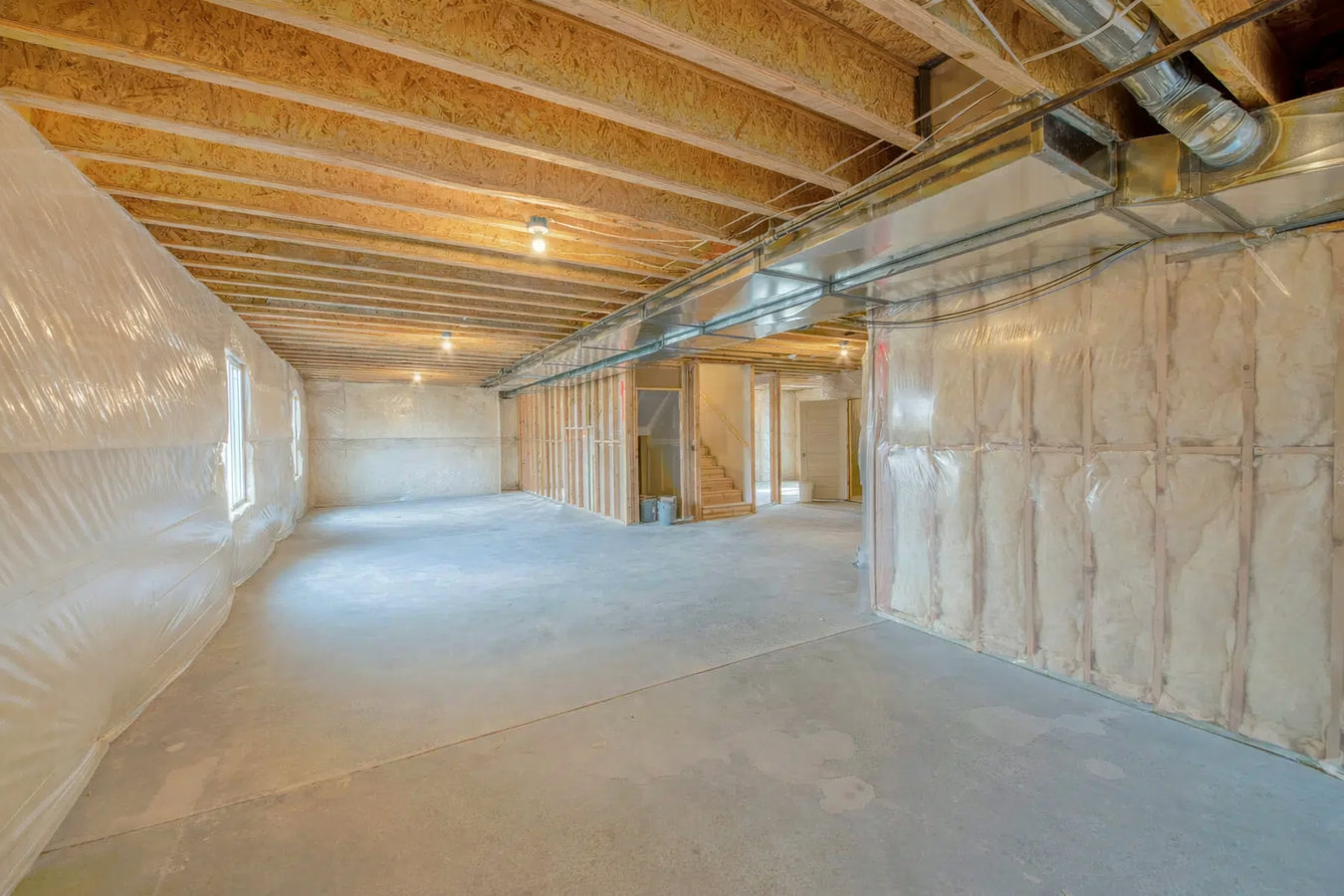
Cold floors, high heating bills, and frozen pipes in January all point to the same problem - an uninsulated basement pulling heat out of your home. We fix that with proper insulation installed after a thorough moisture check.
Basement insulation in West Lafayette creates a barrier between your living space and the cold air that collects below ground - most residential jobs are completed in one day, and you can stay in your home throughout. Without it, that cold air rises through your floors and forces your furnace to run longer than it should. Homes in West Lafayette built before 1980 rarely had proper basement insulation installed, and whatever was added later has often settled or degraded.
One thing that separates a good basement insulation job from a poor one is what happens before the first piece of material goes in. A contractor should walk through your basement and look for signs of moisture - dampness on walls, white deposits on the concrete, or a musty smell - because insulating over an active moisture problem makes it worse, not better. If your basement has the kind of below-grade moisture common in Tippecanoe County, that gets addressed first.
Homeowners with crawl spaces often combine basement work with crawl space insulation for a complete below-grade thermal barrier. The U.S. Department of Energy estimates that air sealing and insulating a basement can cut heating and cooling costs by 10 to 20 percent in a typical home - and in West Lafayette, where winters last from October through April, those savings compound quickly.
If you walk across your first floor in socks on a January morning and the floor feels noticeably cold, heat is escaping through an uninsulated basement below. This is one of the most common complaints from homeowners in older West Lafayette neighborhoods near Purdue's campus. It is a daily comfort problem that proper basement insulation can fix.
West Lafayette winters are long and genuinely cold, running from October through April. An uninsulated basement can account for a significant share of your home's heat loss during that stretch. If your gas or electric bill jumps sharply each winter and you have not found another explanation, your basement is a logical starting point.
Moisture problems and insulation problems go hand in hand, especially in West Lafayette where clay-heavy soils hold water near foundation walls after rain. A musty smell, visible dampness, or white chalky mineral deposits on the concrete all signal that moisture is moving through your basement. Any of these signs should be addressed before new insulation goes in.
If a pipe has frozen in your basement during a cold stretch, the space is not staying warm enough. West Lafayette regularly sees temperatures that can freeze exposed pipes in uninsulated basements, and a single burst pipe can mean thousands of dollars in water damage. Proper insulation keeps the basement temperature stable enough to protect your plumbing through the coldest nights.
We install basement insulation using several approaches depending on your basement layout, moisture history, and how you use the space. Wall insulation - applied directly to the interior foundation walls - brings the basement into your home's conditioned envelope, which is the right choice if you use the space for storage, laundry, or living area. Rim joist insulation seals the gap where your floor framing meets the top of the foundation wall, one of the most overlooked air leaks in any older home. For basements with a history of moisture issues, we recommend closed-cell foam insulation, which resists moisture while sealing and insulating at the same time.
Every basement job starts with a moisture check. If we find a problem, we will tell you plainly what it is and what needs to happen before insulation goes in. We do not cover up problems. For homes that want a complete below-grade thermal envelope, pairing basement wall work with crawl space insulation closes off the other major source of ground-level heat loss and moisture.
Best for homeowners who use the basement and want to bring it into the home's conditioned space - keeps the whole level warmer.
Best for any home over 20 years old - the rim joist is one of the most common and overlooked sources of heat loss in older basements.
Best for basements with past moisture issues - provides both insulation and moisture resistance in a single layer.
Best when you want to keep the basement unconditioned but need to protect the floors and living space above from cold and heat loss.
West Lafayette sits in a climate zone with average January lows around 18 degrees Fahrenheit, and the heating season stretches across six or more months. That sustained cold creates a large temperature difference between your heated living space and the ground below, which means an uninsulated basement is not just uncomfortable - it is actively pulling heat out of your home every day from November through March. Many homes in neighborhoods near Purdue University, including older residential areas built in the 1940s through 1970s, were constructed with little or no basement insulation, and whatever was added over the decades has often settled or been disturbed during renovations. The clay-heavy soils common throughout Tippecanoe County also hold water near foundation walls longer after rain and snowmelt, which is why moisture assessment is a required first step on every job we do in this area.
We serve homeowners throughout West Lafayette and the surrounding area, including Lafayette. If you are a landlord with rental properties near campus, a properly insulated basement reduces tenant complaints about cold floors and high utility bills - two of the most common reasons tenants do not renew leases in this market.
We respond within 1 business day. You do not need to prepare anything in advance - just have access to the basement. This is not a sales call.
We walk your basement looking at walls, rim joists, existing insulation, and any signs of moisture. This visit takes 30 to 60 minutes and carries no obligation. We will tell you what we find, including if there is a moisture issue that needs to be handled first.
You receive a written quote covering the scope of work, materials, and total cost. Compare it against at least one other estimate. If one quote is significantly lower, ask what is different about their approach.
Most basement jobs finish in a single day. You can stay in your home. Before the crew leaves, ask for a walkthrough - we point out what was done and what to watch for going forward. The benefit starts immediately.
Free in-person assessment. Written estimate. No pressure, no obligation. We check for moisture before anything else.
(765) 637-0109We inspect for water intrusion before any insulation goes in. Tippecanoe County clay soils are unusually good at trapping moisture near foundation walls, and covering a moisture problem makes it worse - not better. If we find something, we tell you plainly before quoting any work.
Rim joists - the band of framing where your floor meets the foundation - are one of the most common air leak locations in West Lafayette homes built before 1990. We seal them as part of basement insulation work, not as an aftercharge. Most contractors skip this step or quote it separately.
We work across West Lafayette, Lafayette, and 10 additional service areas throughout Indiana. Local crews who know the housing stock, soil conditions, and permit requirements in each area - not a national franchise learning your market on your dime.
The Building Performance Institute sets recognized standards for insulation and energy efficiency work. Following those standards means a contractor is assessing your whole home - not just selling you material. It also means the work holds up when you sell and a buyer orders a home energy audit.
Every one of those points connects to the same thing: a job done right the first time. West Lafayette winters are long enough that a basement insulation project that cuts corners will make itself known before the end of the first heating season.
For current rebate availability, visit the Database of State Incentives for Renewables and Efficiency (DSIRE) and filter for Indiana programs.
Closed-cell spray foam insulates and air-seals basement walls and rim joists in a single step, with built-in moisture resistance that matters in Indiana basements.
Learn moreCrawl space insulation addresses heat loss and moisture from below grade - a common source of cold floors and humidity problems in West Lafayette homes.
Learn moreWest Lafayette winters start early and run long - the sooner your basement is insulated, the sooner you stop paying for heat that escapes before it reaches your floors. Call us or request a free estimate today.