
Loading...
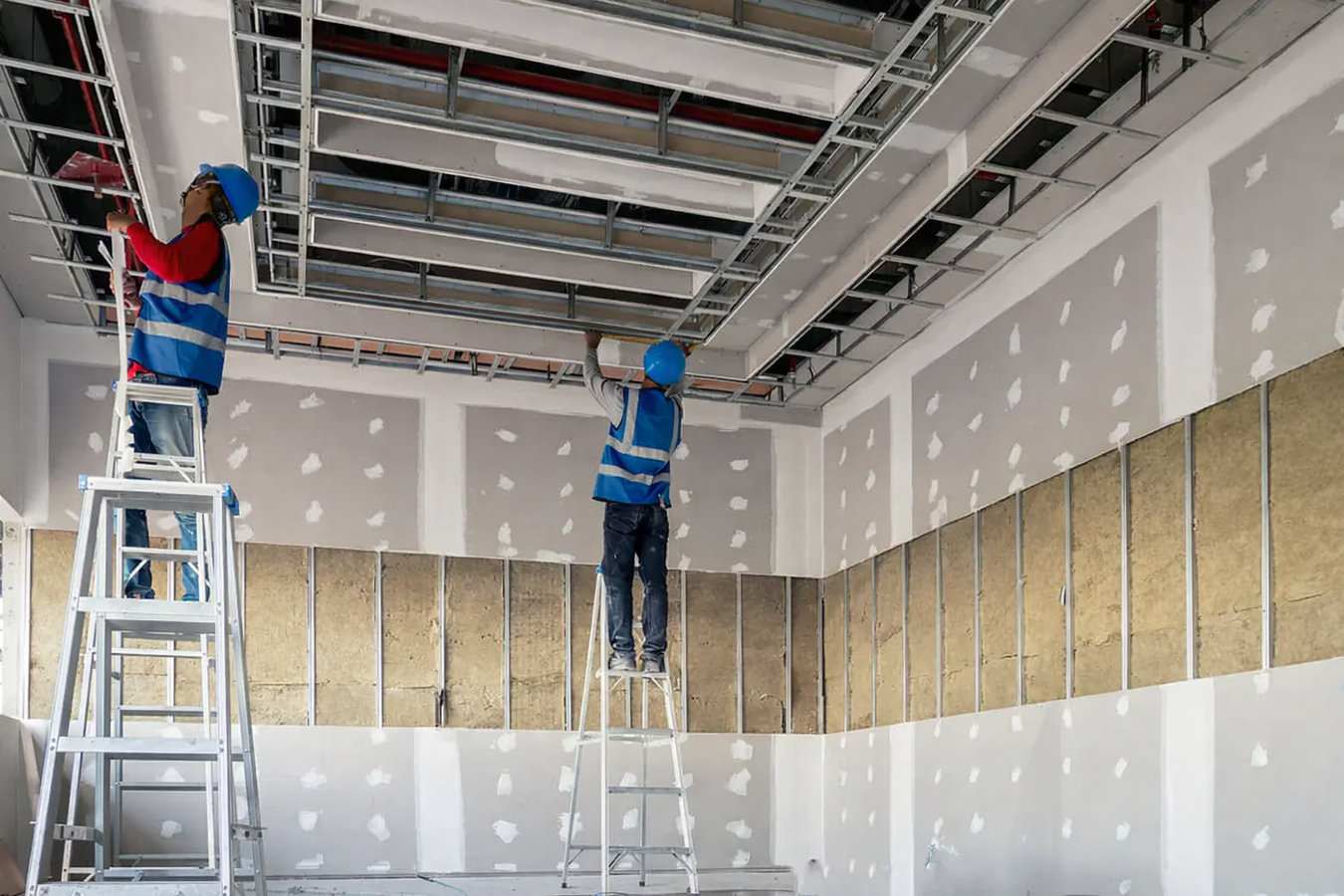
West Lafayette Insulation brings insulation contractor services to Indianapolis, IN, covering commercial insulation, spray foam, attic work, and crawl space sealing for homes and buildings across Marion County - responding to all estimate requests within 1 business day.
Indianapolis has a large and varied commercial building stock, from small retail and office spaces to large distribution warehouses in the logistics corridors near I-465. Our commercial insulation services address uninsulated metal rooflines, warehouse walls, and mechanical rooms that drive up energy costs for Indianapolis business owners year-round.
A large share of Indianapolis homes were built before 1980, and many of those attics still have the original fiberglass batts or the minimal fill that was standard at the time. Adding depth to an Indianapolis attic is one of the most cost-effective ways to bring heating and cooling costs down in homes across Irvington, Broad Ripple, and the south-side neighborhoods.
The brick bungalows and craftsman homes in older Indianapolis neighborhoods like Mapleton-Fall Creek and Fountain Square have gaps and voids in their walls and attics that fiberglass cannot seal. Spray foam fills those spaces and air-seals them in one step, which makes a meaningful difference in homes with original wood framing that has shifted over decades.
Indianapolis sits on heavy clay soil that holds moisture and pushes it toward unprotected crawl spaces every spring. The ranch homes and postwar bungalows on the near south and west sides of the city often have open, vented crawl spaces that let that moisture into the floor system - leading to cold floors and elevated humidity inside the home.
Indianapolis basements lose heat through uninsulated poured concrete or block walls all winter, and in spring the same clay soil that expands when wet can push water against those walls. Insulating the basement perimeter with rigid foam board or closed-cell spray foam keeps the space drier and cuts heat loss at the lowest level of the home.
Indianapolis homes built before the 1980s were not built to modern airtightness standards, and the freeze-thaw cycles that crack concrete also open gaps in framing and masonry over time. Air sealing those penetrations before adding insulation multiplies the effect of the insulation and reduces heating bills during the long Indiana winter.
Indianapolis sits in a climate zone that demands real performance from insulation in both directions. Winters average around 23 inches of snow and roughly 100 days below freezing each year, while summers bring heat and humidity that push attic temperatures well past what the living space should reach. Homes that were built in the early to mid-1900s - which cover large portions of the city including Irvington, Mapleton-Fall Creek, and the neighborhoods around Butler University - were built under standards that required a fraction of the insulation depth that current code calls for. Many of those homes have never had their insulation meaningfully updated.
The clay soil that underlies most of Marion County creates a second challenge. Heavy clay expands when wet and contracts when dry, and that seasonal movement stresses foundations, cracks concrete, and sends moisture toward basements and crawl spaces every spring. Paired with the flat terrain and the creek systems that run through the city, spring flooding pushes water against foundations in low-lying neighborhoods near Fall Creek and Eagle Creek on a regular basis. Proper insulation and air sealing are the first line of defense against the energy losses and moisture problems that Indianapolis homeowners deal with year after year. The U.S. Department of Energy recommends R-49 to R-60 in attics for Indianapolis-area climate zones, which most pre-1980 homes do not meet.
We work on properties across Indianapolis and pull permits through the City of Indianapolis Building and Development Services when projects require them. That familiarity means we know what the city expects on residential and commercial insulation work and can handle that process without adding delays.
Indianapolis is a city with very different housing stock depending on where you are. The brick bungalows and craftsman homes in Irvington and Broad Ripple are a different job than the postwar ranch homes that fill the near south side and Perry Township, which are different again from the larger two-story Colonials in newer subdivisions out toward Pike Township and Lawrence. We have worked across that full range and understand that each property type brings its own set of insulation challenges. Near Broad Ripple on the north side or closer to Lucas Oil Stadium downtown, the homes tend to be older and need more prep work before insulation goes in.
We also serve Greenwood, just south of Indianapolis in Johnson County, where the mix of 1970s ranch homes and newer subdivisions has its own insulation profile. If you have property on either side of the Marion-Johnson County line, we cover both.
We respond to every inquiry within 1 business day. A short conversation covers the area of the home or building that needs attention, the approximate age, and any comfort or moisture problems you have noticed. We then schedule a free on-site estimate at a time that works for you.
A technician visits the property, walks all the areas to be insulated, checks existing conditions, and takes measurements. There is no cost and no obligation. This visit is also the right time to ask questions and understand what the project will actually involve before any work begins.
You receive a written quote with a firm price and a clear description of the work. We walk you through any access requirements or prep needed on your end. Spray foam jobs require the treated space to be vacated for roughly 24 hours after installation while the foam cures.
The crew completes all installation and walks you through the finished work before leaving. Permits and required documentation are handled on our end, and copies are left with you for your records - useful when you refinance or sell the property.
We serve homes and commercial properties across Indianapolis and Marion County. Call or submit the form and we will respond within 1 business day.
(765) 637-0109A significant portion of the homes we work on in Indianapolis were built before current energy codes existed. Those homes require different prep, different products, and a different approach than newer construction - and our crew has worked on enough of them to know the patterns.
We pull permits through the City of Indianapolis Building and Development Services when the project scope requires it. That means no surprises at inspection and a documented record of the work for your files.
We serve 12 communities across Indiana from a single base of operations, which means the crew that quotes your job is the same crew that does the work. You are not dealing with a referral or a subcontracted team.
Every estimate is free and comes with a written quote and a clear scope of work. We commit to responding to every new request within 1 business day - no waiting a week to find out if someone is available.
Indianapolis is one of the largest markets we serve, and we take that seriously. The mix of older city neighborhoods and growing outer suburbs means there is no single playbook - each home or building gets assessed on its own terms.
Indianapolis is the most populous city in Indiana, with roughly 887,000 residents spread across over 360 square miles following the city-county consolidation of 1970. The city has dozens of named neighborhoods, each with its own mix of housing ages and styles. Older areas near the city center - including Irvington, Fountain Square, and Mapleton-Fall Creek - are full of early 1900s brick bungalows and craftsman homes. The near north side has Broad Ripple and Meridian-Kessler, which are well-maintained historic neighborhoods with higher home values. Outer areas like Pike Township and Lawrence have larger two-story homes built from the 1980s onward.
About 53 percent of Indianapolis housing units are owner-occupied, meaning most residents have a long-term stake in keeping their homes in good condition. Major employers including Eli Lilly, Indiana University Health, and a large logistics sector centered on I-465 provide a stable economic base for homeowners across the city. We also serve Carmel to the north, where the newer commercial and residential building stock creates different but equally real insulation needs.
High-performance spray foam that air-seals and insulates in a single application.
Learn moreReduce heat loss and lower energy bills with properly installed attic insulation.
Learn moreLoose-fill insulation blown into walls, attics, and hard-to-reach cavities.
Learn moreWhole-home insulation solutions tailored to your house's construction and needs.
Learn moreSafe removal of old, damaged, or contaminated insulation before replacement.
Learn moreProtect your home's foundation and floors with crawl space insulation.
Learn moreImprove comfort and soundproofing with interior and exterior wall insulation.
Learn moreStop drafts and energy loss by sealing gaps, cracks, and penetrations.
Learn moreKeep your basement warm and dry with targeted insulation and moisture control.
Learn moreDense, rigid closed-cell foam offering maximum R-value and moisture resistance.
Learn moreLightweight open-cell foam that expands to fill cavities and reduce sound.
Learn moreCommercial-grade insulation for offices, warehouses, and multi-unit buildings.
Learn moreHeavy-duty vapor barriers that block ground moisture from entering your home.
Learn moreProfessional vapor barrier installation for walls, floors, and crawl spaces.
Learn moreSeal attic bypasses to prevent conditioned air from escaping into the attic.
Learn moreAdd insulation to existing structures without full renovation or demolition.
Learn moreCall today for a free on-site estimate. We respond within 1 business day and serve all of Marion County and the surrounding communities.